Black King Embroidery Design Review
As an embroidery designer and product reviewer, I’ve evaluated countless machine embroidery designs. Black King stands out as a versatile and bold option for custom apparel, handmade products, and small business merchandise. Its strong visual presence and clean layout make it ideal for a range of projects, from tote bags to baby clothes. But like any design, it has its strengths and limitations that every embroiderer should consider before using it in real-world applications.
The First Impression: Bold, Minimalist, and Stylish
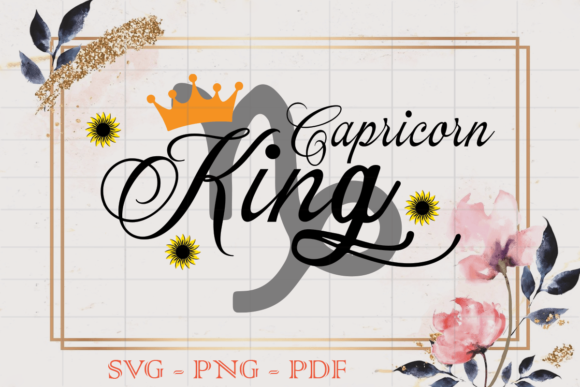
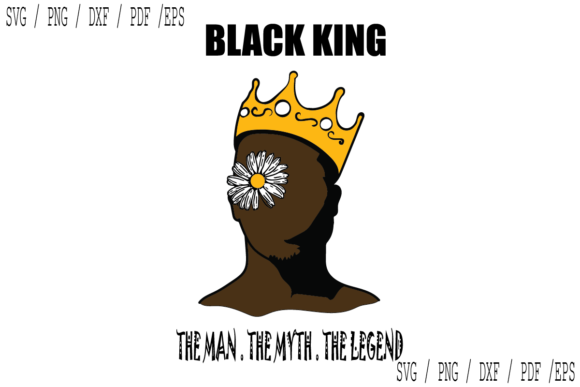
Black King immediately commands attention with its simple yet striking design. The black-and-white contrast is clean, making it easy to adapt to different color schemes. The shape is geometric, with sharp edges and a central focal point that feels modern and timeless. It’s the kind of design that works well on both casual and premium items, giving a sense of sophistication without being overly complex.
This design would naturally fit into projects that require a strong visual identity—think custom sweatshirts, aprons, or even embroidered patches. Its minimalist approach makes it adaptable for various fabrics and garment types, but it also demands careful handling when it comes to stitch density and fabric texture.
Real-World Use Cases: Where Black King Shines
One of the first scenarios where Black King could be used is as a tote bag design. A large, bold emblem like this can transform a plain canvas bag into a statement piece. For small business owners or Etsy sellers, this design could be a hit for seasonal or holiday-themed items. Imagine a winter collection featuring Black King on knitted caps or fleece jackets—its simplicity allows it to stand out without overwhelming the overall look.
It also works well as a baby item, such as a onesie or a pillow cover. The design’s clarity ensures that even small details remain visible after stitching. For personalized gifts, Black King adds a touch of elegance that can be easily customized with names or initials, making it a great choice for wedding or birthday presents.
For commercial embroidery projects, Black King offers a reliable base that can be scaled up or down depending on the hoop size. Its straightforward structure means it won’t get lost in dense stitch areas or on textured fabrics, which is a big plus for designers working on complex garments or multi-layered pieces.
Where to Be Cautious: Limitations and Considerations
While Black King is visually strong, it’s not without its challenges. On smaller hoop sizes, the design may lose some of its detail, especially if the stitch density is too high. This is something to keep in mind when planning for items like caps or hats, where space is limited.
On dark fabrics, the contrast is excellent, but on light backgrounds, the design might appear less impactful unless the thread colors are carefully chosen. Thin or stretchy fabrics can also be tricky, as they may cause the stitches to pucker or distort. Using the right stabilizer is essential to ensure the design holds up during and after the embroidery process.
For intricate corners or tiny lettering, Black King may not be the best choice. If the design includes any text, it’s important to test it at full scale before committing to a project. Similarly, if you’re planning to use it as a decorative accent on layered garments, you’ll want to ensure the design doesn’t get lost in the background.
Impact on Visual Appeal and Customer Perception
When it comes to visual appeal, Black King delivers a clean and professional look that can elevate any finished product. Its boldness makes it eye-catching, which is crucial for attracting customers in a competitive market. Whether it’s a custom t-shirt for a boutique or a personalized gift for a client, this design adds value and helps build brand recognition.
From a customer perspective, a well-executed Black King embroidery can create a sense of trust and quality. It signals that the product was thoughtfully designed and professionally made. For handmade shops or craft businesses, this level of consistency is key to building a loyal customer base.
When used effectively, Black King can also enhance the giftability of a product. Its universal appeal makes it suitable for a wide range of occasions, from birthdays to holidays. As a digital product, it can be easily integrated into printable mockups, helping sellers showcase their work more effectively on platforms like Etsy or social media.
Practical Designer Notes: Testing and Preparation
Before using Black King in a real project, I always recommend testing it on scrap fabric. This helps identify any issues with stitch density, thread color contrast, or fabric compatibility. It’s also a good idea to review the design at full scale to ensure that all elements are clear and well-defined.
For commercial projects, checking the licensing terms is essential. Make sure the design is suitable for resale or redistribution, depending on your business model. If you’re selling finished items or digital products, confirm that the rights align with your needs.
Finally, don’t forget to test the design on both light and dark fabric backgrounds. This will help you understand how it performs in different settings and allow you to adjust your thread choices accordingly. With proper preparation, Black King can be a valuable addition to your embroidery file library.